An accessibility guide to Arundel Castle

Arundel Castle in West Sussex is both an ancient castle and a stately home. Set high on a hill, the Castle has commanded the striking landscape of the South Downs for nearly ten centuries. Access to the Castle There is Blue Badge allocated parking in the car park near the Ticket Office, which is at the bottom of the hill at the main entrance. There is level access to the Ticket Office, however a steep incline to reach the Castle. A buggy is available to take visitors up the hill and can be arranged by asking a member of staff upon arrival at the Ticket Office. Accessibility inside the Castle The ground floor of the Castle is accessible via a permanent ramped entrance and a passenger lift. Once inside, most of the Castle is accessible to wheelchairs via lifts. The lift in the foyer area takes visitors to the lower ground and ground floor. There is a Victorian lift that takes visitors to the ground and first floor, this lift has a width restriction of 24 inches due to its age. If a wheelchair is too wide to fit in this lift, collapsible wheelchairs are available for visitors to use within the Castle. The restaurant, coffee shop and gift shop are accessible once inside the Castle. The Barons Hall is accessible via a platform lift as there are three steps, the controls for the lift are 90-120cm high. Accessible toilets are available via a lift and do not require a key to open. Staff receive relevant training to cater to the needs of visitors with disabilities and a bowl of water can be provided for assistance dogs. Approximately a third of the Castle is not accessible for people with due to its ancient architecture, for instance, spiral staircases and narrow corridors in the Keep. The bedrooms are not accessible to visitors that require wheelchair access as there are several flights of steps. Braille, audio guides and staff with British Sign Language are not available. Accessing the Gardens There are footpaths throughout the Gardens and ramps are available wherever there are steps. Benches are available in some locations to allow visitors to rest. There are some slopes and some gravel paths. The Fitzalan Chapel has steps and does not have a ramp. Buying a ticket Carers accompanying adults with disability receive free entry to the Castle. If the carer is accompanying a child, the child will receive free entry and the carer will pay the full adult ticket price. Concession tickets should be purchased at the ticket office on the day of the visit, rather than online. As the need for a concession may not be immediately obvious to the ticket office staff, the Castle politely asks that visitors be prepared to provide proof, such as a DID card. The Gardens The Walled Gardens at Arundel Castle are a celebration of innovative design and horticulture. The extensive Gardens include The Collector Earl’s Garden, the Cut Flower Garden, the Organic Kitchen Garden, the White Garden, the Rose Garden and the English Herbaceous Borders. The unique Stumpery is home to the upturned roots of ancient trees and the original Victorian Vine House still boasts crops such as grapes, peaches and chillies. The Collector Earl’s Garden celebrated its tenth anniversary in 2018 after being opened by HRH The Prince of Wales in 2008. It was conceived as a tribute to the Thomas Howard, the 14th Earl of Arundel, who lived in the 17th century and was fondly known as ‘The Collector’. The vivid colours of the Annual Tulip Festival will greet visitors during April and May, when over 60,000 of the flowers burst into bloom. The tulips are followed by a flurry of purple and white as thousands of the ‘fireworks of gardening’ blossom for the Allium Extravaganza. During the warmer months, the Castle’s lavish display of roses is not limited to the Rose Garden and boasts an enviable array of varieties. At the end of summer, the Gardens fill with lilies, dahlias and wildflowers. The Events Throughout the open season, the Castle grounds are home to action-packed historical events from a thrilling jousting tournament to captivating Norman combat displays. 12,000 Years of Combat (24-26 August) is unmissable, with five groups of re-enactors hosting time travelling combat displays which will take visitors all the way from the Stone Age through to the Victorian era. Oberon’s Palace, a spectacular shell-lined enclosure, plays host to open air Shakespeare performances as part of the Arundel Festival in August. 23-28 July will see Medieval Jousting Tournament Week take place on the lawns. The longest jousting tournament of its kind in the world and the highlight of Arundel Castle’s open season, the action-packed living history spectacular promises nothing less than a true clash of the titans. Visitors will cheer on the world’s finest jousters as they demonstrate their brawn and bravery – charging at each other atop specially trained horses, clad in full plate armour and wielding lances. The historical and sporting spectacular will keep spectators on the edge of their seats with a series of thrilling hand-to-hand combat challenges and hunting skills contests. A fantastic day out, festivities also include have-a-go archery, falconry displays, face painting, arts, crafts and storytelling throughout a tented medieval encampment against the backdrop of the stunning grounds and ancient Castle. Many of the events take place during the school holidays and there is a great variety to choose from – ten of the 13 events take place exclusively in the lawns, which are accessible once up the hill. Easter weekend, 20-22 April, A Call to Arms! Knights and Crusaders will set the scene of preparation for Richard The Lionheart, King of England, to embark on the Third Crusade. Then, during the summer half term on 25-27 May, Raiders of the 15th Century: England vs. France will transport visitors back to the reign of King Edward IV. A firm family favourite, the History Days are scheduled for 30 May, 30 July and 6
Mark Lane: Gardening tips for people who thought they could never garden

Mark Lane, wheelchair user and presenter of the award-winning BBC Gardeners’ World, as well as the RHS Flower Shows, discusses getting out into the garden and how to make gardening easier if you have mobility issues… It doesn’t matter what level of ability you have, you can still enjoy gardening. Gardening makes you feel safe and secure and it has a positive effect on mental and physical wellbeing. With these simple tips you can get outside, enjoy nature, be alone for personal reflection or socialise with family and friends. Gardening tips 1. Think about your limitations and how you may have got around an issue unrelated to gardening, ie how to pick something up from the floor – solution, use a grabber. This can be used to reach or to hold a plant. If I cannot get to the plant, I bring the plant to me. 2. Use lots of portable camping tables of differing heights – these can be assembled around you when planting and sowing. Non-slip surfaces are better as are tables with a lip to help stop a pencil from rolling off. Also, consider all-terrain trolleys or a hand cart. 3. Find a comfortable place to sit, somewhere out of the wind and in shade to do some gardening. Keep hydrated, carry pills with you, sunscreen and a snack. 4. Compost bags are heavy and it is uneconomical to buy smaller bags. Ask someone to help open a bag of compost and using a scoop transfer the contents into a bucket. 5. Soil as a muscle strengthener – I’m not suggesting that you eat soil, but squeezing soil in your hands starts to strengthen your hand and arm muscles, and bare hands in soil releases serotonin to the brain, making you feel better. 6. Pace your activities, especially if you tire quickly. Set a timer to 5 minutes. Try working for this period-of-time and then rest for 5 minutes, repeat. It is better to do things in shorter time periods with gaps in between than it is to work solidly for 30 minutes, after which you will probably be exhausted. 7. Find the right tool for the task. Long handled, lightweight tools are great but try them out in the shop. Long-handled tools are great for people in wheelchairs and for people who cannot bend or kneel easily. The ones with interchangeable heads are a good idea. 8. If you have difficulties with dexterity, then consider ergonomic tools. From moulded handles that sit comfortably in your hand to rotating handles (ie secateurs). Also look at relief grip bionic gloves, which help improve dexterity. 9. Use a vertical planter or raised planting table to bring the plants up to a manageable height. You can either position your wheelchair or mobility scooter underneath or position a chair ready to sit and enjoy sowing, planting and harvesting. Raised tables do not have a lot of depth, but you can still grow salad crops, as well as herbs and alpine plants 10. Think about using pots. Half fill a pot with polystyrene and top up with soil. This will keep the weight down. If arranging pots together, turn a couple of empty pots upside down and position your planted pot on top. You can create a whole garden with a combination of pots. 11. Use clear plastic tubing to sow seeds in borders or on allotments. Cut to a comfortable length, either from a seated or standing position without the need to bend. Make planting holes in the soil either with a bamboo cane, position the tube above the hole and drop a seed into the top of the tube. Let gravity do its thing and with minimal effort a seed is planted in the hole. Either using the cane or a long-handled tool cover the seed with soil. See marklanedesigns.com for more information on Mark Lane’s work. For more on accessible gardens, click here.
The Alpha-Stim To Help Fibromyalgia Sufferers

The Alpha-Stim is a clinically proven microcurrent device that is to help fibromyalgia sufferers and has just been the subject of a successful trial on the NHS. A recent study found that microcurrent cranial electrical stimulation significantly reduces pain, fatigue, sleep disturbances and improves functional status in fibromyalgia sufferers. The study from the University of Virginia School of Medicine, investigated the effects of microcurrent cranial electrical stimulation (CES) therapy on lessening pain and its associated symptoms in fibromyalgia (FM) sufferers[1]. The researchers found that “those individuals using the active CES device had a greater decrease in average pain, fatigue, and sleep disturbance than individuals using the sham device or those receiving usual care alone over time.” In addition, the report concluded that “individuals using the active CES device had improved functional status versus the sham device and usual care alone groups over time”. Fybro is typically treated using drugs including antidepressants, opiate analgesics and calcium channel blockers. Although most of these have shown to work to some extent (in up to 50% of patients), the effects on pain are minimal. This means that there is a real need for additional treatment approaches. Based on the evidence that the brain processing of pain is disturbed in fibromyalgia sufferers, it is assumed that treatments that target the brain would be especially effective. Over the years, several types of electrical stimulation of the brain have been used to reduce pain or depression. However, most of these use high-strength current (electroconvulsive therapy) or an electrical field (repetitive transcranial electromagnetic stimulation), and because of this, they are only available in specialised facilities with trained health care professionals. In contrast, microcurrent cranial electrical stimulation (CES) devices such as the Alpha-Stim deliver a safe, specially designed level of microcurrent that is suitable for use at home. The effects of the AS are transmitted through a direct action on the brain, likely at the limbic system, hypothalamus, thalamus, and/or the reticular areas. In humans, electroencephalographic (EEG) studies have shown that CES can influence alpha activity (increase or decrease) and decrease delta and theta activity in the brain. In human participants with pain, CES treatment reportedly altered the EEG patterns to more closely resemble patients that are pain-free. In preliminary clinical studies using the LISS Cranial Stimulator, participants had increases in plasma serotonin and b-endorphin. Another study that lasted 3 weeks, reported significant improvements in FM pain and in quality of life in those using the CES, compared with those using the sham device. [2] Results from a major NHS study into Cranial Electrotherapy Stimulation (CES) provided by the Alpha-Stim and how it helps those with anxiety disorders, were announced at the annual MindTech Symposium last December[3]. The study, which also revealed how CES helps with sleep, aimed to establish the clinical and cost effectiveness of this new form of treatment for those who have already tried basic psychological therapies unsuccessfully. The CES device used in all these studies is the Alpha-Stim. Prices start from £549. For more information please visit www.alpha-stim.co.uk or call 01487 208041.
DFN Charitable Foundation Begins Bold New Chapter

DFN Charitable Foundation Begins Bold New Chapter: Organisation confirms CEO appointment. The DFN Charitable Foundation, founded in 2014 by David Forbes-Nixon, has announced the appointment of a new CEO as it continues its life-changing work for those with learning difficulties and disabilities. Kevin Horne, from Norwich, joins as CEO of the DFN Charitable Foundation (‘the Foundation’) and DFN Project Search after 21 years heading a multi-million pound business services enterprise, through which he actively developed employability initiatives to support those with learning disabilities. He will work with trustees and supporters to ensure the success of projects being carried out by the Foundation, and by its dedicated employment initiative, DFN Project SEARCH.“The DFN Charitable Foundation is delighted to announce the appointment of Kevin Horne, who has today joined as CEO of the DFN Charitable Foundation and DFN Project Search. As CEO, Kevin will work with trustees to deliver real change in the fields of special education, most importantly improving access to employment for young people with learning difficulties, disabilities and autism. We urgently need to nudge government, both national and local, and businesses, into shifting the goalposts in favour of the young people who access DFN Project SEARCH and other internship programmes around the country.” said David Forbes Nixon, Chairman. Nationally, the DFN Charitable Foundation’s aim is to challenge and positively influence current practice in order to enhance the lives and opportunities of young adults with learning difficulties, disabilities and autism. It seeks to ensure full entitlement to effective training, leading to employment and a better quality of life experience. The Foundation provides innovative employability skill strategies that support these young people, promoting greater employer engagement and increasing opportunities for sustained paid employment. Current UK employment statistics for this vulnerable group of young people stand at less than 6%, whilst more than 75% have clearly stated that they want to work. This statistic makes the charity’s recently conceived DFN Project SEARCH, all the more important. It delivers the UK’s largest and most effective programme for getting young people with SEND into paid employment. DFN Project SEARCH local programmes are, on average, delivering employment rates of 66%. The DFN Project SEARCH Programme is a franchise of Project SEARCH US which started at Cincinnati Children’s Hospital Medical Center in 1996. Today Project SEARCH currently has over 600 licensed programmes spanning 47 US states, 9 countries and in multiple industries. DFN Project SEARCH currently operates in about 60 sites across England, Ireland, Portugal, Scotland and Wales in various host businesses employers, which include Hospitals, Local Authorities, Universities, Laboratories and a variety of Private Sector Businesses. “I truly believe that these young people are capable of making a real economic and social contribution to our society if they are given the correct education, training and support which only programmes Project SEARCH currently provide.” said Kevin Horne, CEO. “Employment helps young people value themselves and others, offering them the chance of developing greater independence. It provides opportunities to form lasting relationships and friendships. “Importantly, it offers the hope of becoming economically independent without the need to rely on benefits and the tremendous prize of greater personal and social independence.” Find out more here
AJM Healthcare – providing services to wheelchair users for 35 years

AJM Healthcare provide services to wheelchair users, offering not only a repair service but advice and training. Here, UCan2 editor Victoria Galligan finds out what makes the company such a hit… AJ Mobility started as a small family business 35 years ago providing adaptations for customers in Sussex. Successfully developing the business and supporting our disability community, we grew to provide the NHS and local authorities with equipment service solutions. Following a change of ownership in 2011, we became AJM Healthcare and transformed our services. Today AJM Healthcare delights customers with full integrated wheelchair to nine Clinical Commissioning Groups and provide approved repairer and community equipment services across the country. Our team work closely to provide local service maintenance and equipment supply solutions to the public and business to support their mobility and access needs. We have seen that the needs of our client group have changed significantly over recent years. With more people living longer with more complex health conditions, coupled with an increased desire to support personal “choose and control”, it is driving a change in services that are tailored to each individual’s needs. AJM Healthcare is empowering our customers with opportunities to upgrade and personalise their products and services to suit them. We support our mobility clients with helpful hints and training in the use of their wheelchair and equipment when they are out and about. We also encourage our more confidence users to share their positive experiences with new users so that “life hacks” can be gleaned. We still have a way to go before society looks past the person’s disability and truly makes the world accessible, but it is improving all the time. What makes us better than our competitors? AJM Healthcare just gets it right more often. We are not perfect, we do make mistakes, but we learn from them, adapt our approach for the next time. We are a dynamic organisation with strong ethical and financial standing, supported by an experienced management team with passion and dedication to providing excellent customer centred service delivery. For more information on AJM Healthcare click here. WESTBRIDGE CAPITAL, which typically invests in medium sized enterprises, recently backed a management buyout of AJM Mobility Limited (t/a AJM Healthcare), which provides mobility and equipment solutions to the NHS, Local Authority Partners and individuals across the UK.
Easy Bathrooms launches accessible range of bathroom products

Easy Bathrooms – the bathroom and tile supplier – has launched a range of quality, affordable accessible baths and accessories. £30,000 has been invested into the development of the products, which allow safe, easy access, each designed to fit into a range of spaces – from a small en-suite to a large master bathroom. Six baths have been introduced as part of the firm’s new ‘Easy Living’ range, alongside complementary accessories and parts. The Vestra bath is 945mm x 170mm, including a screen and an electronically-operated glass door, which remains locked until all water has been drained, providing peace of mind for the buyer that leaks will be avoided. The low-threshold height also gives the user easy access. The Truo unit has similar features, but is also available in high gloss black, allowing buyers to match their bath to the rest of their room choices. Munro is the smallest unit in the range, at 650mm x 900mm, with an inward-opening door and a moulded seat, allowing the user to sit down while they bathe. Neil Bell, head of retail at Easy Bathrooms said: “Homes are becoming more and more multigenerational, meaning that they need to cater to family members of all ages and abilities. “These baths are now an additional option, alongside wetrooms, for tradespeople – they are designed specifically to help the end user to live a more comfortable life, while ensuring the fitter maximises the use of space, even in the tiniest of rooms.” The firm also offers thermostatic showers, which reduce the risk of scalding; and textured floor tiles, which minimise the possibility of slipping. Easy Living brochures are available to pick up from all of Easy Bathrooms’ showrooms nationwide. Or call 0330 660 1120 to get one delivered. www.easybathrooms.com
The Lin Berwick Trust – the disabled holiday accommodation specialists
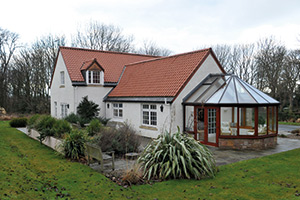
The Lin Berwick Trust has the highest standard of facilities and equipment for those with disabilities who need 24/7 care. We have three self-catering properties all sleeping six people in Norfolk, Cornwall and on the Firth of Forth in Scotland. Each property has a disability suite that is second to none both in equipment and space. All our properties are furnished to VisitBritain’s four-star self-catering standard and considerably better equipped than is required for VisitBritain’s accessibility rating of “Access Exceptional”. The spacious properties have been designed for the comfort of the disabled visitor as well as that of their family members or carers, and are in attractive village or country settings. Ralph Boyce House, in Cornwall, is in the unlikely sounding village of No Man’s Land, which you will find is not true – it overlooks a beautiful valley, only a short distance from the coast and the old smuggling port of Looe with its beach, small fishing port, restaurants, cafés, pubs, shops and services. This single story purpose-built property sleeps six (two with disabilities) and makes your holiday both easy and peaceful in its surroundings “far from the madding crowd”! There’s lots to do in this stretch of the Cornish coast which has stunning scenery and unique coastal towns and villages. The house has a substantial vaulted family room with sitting/dining/kitchen areas with French windows on to a terrace, with garden furniture, overlooking the magnificent view of the valley. The disability suite has twin profiling beds in the bedroom with French windows giving on to the garden. It has an overhead hoist to the disability en-suite bathroom with height adjustable wash hand basin and Clos-o-Mat toilet, hi-lo bath and full wheel-in shower. There are two further twin bedded rooms and a full family bathroom with separate shower for family or carers. We are sure you will enjoy your stay in this renowned and very beautiful tourist area. Denis Duncan House, in Scotland, is a disability property situated in the lovely and outstanding conservation village of Dirleton. The village is on the Firth of Forth between the Scottish capital of Edinburgh and the nearby pretty coastal town of North Berwick with its beach and Seabird Centre, shops, restaurants, cafés and pubs. The Lin Berwick Trust provides ideal family accommodation for the severely disabled The property sleeps six (two with disabilities) and is very spacious with lots of room for disabled people and their families or carers. Overlooking one of the two village greens and in sight of the famous ruined medieval castle, this property has it all! The disabled suite is extremely well equipped with two profiling beds, an overhead hoist to the en-suite bathroom that has a height adjustable wash hand basin and Clos-o-Mat toilet, a hi-lo bath and a full size wheel-in shower. The very sizeable kitchen with height adjustable hob top and sink has everything you need to feel at home – whilst on holiday! The sitting room leads into a comfortable conservatory from which you can see the local wildlife – deer, pheasant, squirrels and many garden birds and even the occasional hedgehog. Upstairs there are two twin bedded rooms, a family bathroom and second sitting room for the family or carers. Berwick Cottage, in Norfolk, is in the attractive village of East Harling situated in the Brecklands which is in the middle of the East Anglian tourist region, and in easy driving distance from the Norfolk Broads in the north to Framlingham Castle in the south. Berwick Cottage, which also sleeps six (two with disabilities), and like its two sister properties, has a disabled suite that caters for nearly any disability. There is also suitable accommodation for four family members or carers. The walled garden, with appropriate furniture, allows relaxation in the fresh air or a barbecue before or after visiting some of the many tourist attractions of the area. The Lin Berwick Trust properties ensure privacy, security and outstanding disability facilities The property is renowned for the space it provides for those in wheelchairs. The living area, with kitchen/dining and sitting area allows families to be together. The very large disability bedroom, with two profiling beds, has French windows onto the garden terrace and an overhead hoist to the well-equipped en-suite disability bathroom. In this bathroom is a height adjustable wash hand basin, a hi-lo bath, a Clos-o-Mat toilet and a full wheel-in shower. Upstairs are one double and one twin-bedded bedroom, a family bathroom with bath, separate shower, wash hand basin and toilet. In fact all you need for a comfortable, interesting and thoroughly enjoyable holiday. Have fun! Each property has a House Manager who meets and greets visitors on their arrival and explains how all the items of equipment work. They are contactable in an emergency during your stay. For further details on The Lin Berwick Trust or to book your holiday please visit our website here. You can also like us on Facebook or follow us on Twitter. The properties are open all year. We are now taking bookings for 2019.
Italian restaurant aiming for Autism Friendly award

A restaurant in Manchester has become a hit with parents of children with autism and other conditions after adapting its menu, and staff plan to make the eating experience even more enjoyable for families. The San Rocco Italian restaurant in Ashton-under-Lyne is now working towards being recognised by the National Autistic Society by becoming recognised as “Autism Friendly”. It hit headlines earlier this year when its pictoral menu, designed for non-verbal autistic children, allowed families to come and choose food without guessing when their children wanted. Now manager Mark Waine wants to photograph the food to add to the menus, so children can see exactly what they will be getting when they order. He also plans to photograph staff so autistic diners can see who might serve them when they come for a meal. Mark said San Rocco’s website has photographs of the inside and outside of the restaurant, which helps children picture where they’ll be going for a meal. Mark said, “I have children myself and of course everyone needs to go out sometimes. My children make noise too! Our autistic customers sometimes make noise but it doesn’t mean their families should have to stay in all the time. It’s not a big deal for us.” Two parents who have championed the restaurant are Nicola and Lee Sweeney, whose eight-year-old son has autism and learning difficulties. Lee said, “After feeling that we were not wanted at restaurants in the past, we stumbled on San Rocco. From the moment we walked in we knew how understanding and how accepting the staff were of people with disabilities. “After being customers there for sometime, Mark approached us with his idea of making a picture menu for children and adults with autism and learning difficulties. “We were overwhelmed with the idea. Mark enlisted the help of a speech and language therapist and now the menu is helping many others like our son. Mark is now working with a teacher from the special needs school that our son goes to and is working towards the Autism Friendly Award – it’s amazing.” As well as developing the menu, Mark said the staff will ask if a family would like to have the lights dimmed in the are they are eating, or if they need to sit at a particular table. There are fully accessible toilets too. San Rocco was also involved in raising money for the Autistic Society at its summertime ball in June, and staff have supported children with GM1 disorder – a genetic condition which destroys nerve cells. For more information on autism-friendly restaurant San Rocco, see the website.
Making Headway by improving brain injury awareness
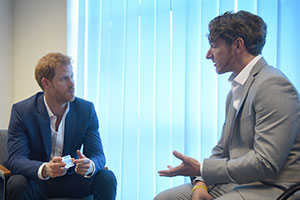
Brain injury charity Headway support people in the community following head traumas. Here, we speak to Headway’s James Coxon about the charity’s ID cards which can help aid communication between the brain injury survivor and people they meet in everyday life… Could you tell us a little about the Headway charity and its work? Headway, the brain injury association, supports people affected by acquired brain injury through a wide range of services including rehabilitation programmes, carer support, social re-integration, community outreach and respite care. We provide a free-to-call, nurse-led Helpline which provides a confidential service available to anyone with a question about brain injury – from brain injury survivors and carers to students and professionals. We also have an award-winning range of publications on the effects of brain injury. Our Emergency Fund provides grants of up to £500 in the immediate aftermath of brain injury, to help adult brain injury survivors and their families cope with the sudden practical implications. We also have a network of 127 groups and branches providing local services to brain injury survivors, families and carers. We created the Headway Brain Injury Identity Card which helps people communicate about their disability, especially if this is hidden. Launched in England by HRH Prince Harry in 2017, the card is supported by the National Police Chiefs’ Council Police Scotland, Police Service of Northern Ireland and a range of other organisations. The brain injury card is useful in all situations, including public transport, shops and if the police are ever called. Why are brain injury survivors at risk of being arrested? Brain injury is widely misunderstood in all facets of society and those working in the criminal justice system are certainly not alone in struggling to identify and appropriately support those affected. A brain injury is known as a hidden disability that can affect a person’s control of their anger and emotions; lead to problems with memory and concentration; and can impair a person’s ability to process information or communicate effectively. Brain injury survivors can find themselves coming into contact with the criminal justice system as victims, or after being arrested. This can be as a result of their disabilities not being recognised or understood. Some brain injury survivors are assumed to be drunk as a result of having slurred speech and/or an unsteady gait, with attempts to explain the effects of their brain injury often being ignored. It is vital, however, that vulnerable adults living with the long-term effects of brain injury are identified at the earliest possible opportunity. What information do the Headway ID cards hold? The ID card includes an individual photo of the brain injury survivor and lists four of their key symptoms. It provides access to a unique 24-hour criminal legal helpline managed by a firm of solicitors trained in understanding brain injury. In England and Wales the card displays the logo of the National Police Chiefs’ Council (NPCC) and in Scotland the card displays the Police Scotland logo. This gives the card credibility, especially if shown to the police, and means it will be easily identifiable by officers. The initiative also has the full backing of the Police Service of Northern Ireland (PSNI). Can anyone get a Headway ID card, and how do you apply for one? The card is available to anyone in the UK aged 18 and over who has a verifiable brain injury. To apply you need to visit our website and you will require a clinical verification of brain injury and a photo, as well as some information about how your brain injury affects you. A similar card for children and young people aged between 11-17 is provided by the Child Brain Injury Trust. For more information, see the Headway brain injury charity website here. Photo: Prince Harry with Dominic Hurley, a brain injury survivor and Headway ambassador