How adapted vehicles have changed since 1946

Our independence is everything. Indulging in a bit of retail therapy or a trip to the football watching your team win or, regrettably, lose — it’s something we all need. And adapted vehicles play a huge part in this for people who have disabilities. In the UK today, around 20% of the population are registered disabled, with just under half of that figure wheelchair bound. The journeys that we make each and everyday are simply not possible for some of those people without assistance from someone else. Technological advances within the motor industry have increased tenfold since the turn of the millennium. Now, in 2019, driverless cars, a concept that seemed like a pipe dream way back when, could finally be paving way on the roads of the UK. Here with Lookers Ford, registered dealers of Ford Motability cars, we look at how the engineering and technological developments of adapted vehicles has, and can still, impact the life of those living with disabilities. History Back in 1946, the NHS was beginning to find its feet, simultaneously as hundreds of thousands of injured service men and women returned from the war. Bert Greeves, a French-born engineer and motorcycle enthusiast, invented the very first accessible motor-driven trike, to give some form of independence back to his cousin Derek. These vehicles were designed for one person and certain models could reach up to 82mph – alongside the isolation these vehicles brought, they also weren’t particularly stylish, with even their owners referring to them as ‘noddy cars’. Adaptions For someone with a disability, it isn’t just a case of arriving at their local showroom and picking out the car they want based on horse power or it’s in-built surround system. The added extras that could potentially be added are going to be a need rather than a want. For those who have difficulty applying pressure to the standard issue pedals, hand controls such as a push/pull lever can be fitted. Similarly, pedal modifications can be made, allowing drivers to adjust the position of the pedals when hitting the road. Back when Knight Rider appeared on our screens, no one can deny being fascinated, and a tad jealous, by David Hasselhoff’s ability to speak to his car. Voice activation in the car is no longer a concept that you have to pull out your old VHS player for — it’s readily available with a simplistic Bluetooth feature in your car. Have you ever considered how much of a difference this function could make to someone with a disability on their daily journeys? Making a call home, navigating through a busy city centre or even turning the temperature up and down, can all be done via a voice command. Northern Irish woman Alison Lockhart who suffers from spina bifida suggests: “Having a vehicle professionally adapted to suit your needs opens up so many opportunities in employment and social activities, that otherwise would have been virtually impossible.” Alison requires a wheelchair and recently purchased her new car that includes various adjustments including a steering ball. Working more than 20 miles from her house, her life would be completely different without her own car. Front to the Future Having taken a brief look at the past, now let’s assess what the future holds for developments within the motoring industry and how it can further assist the lives of those living with disability. The news as of late is awash with the latest updates of autonomous vehicles – one simply can’t get away from it. Realistically, it won’t be any time soon before we see the arrival of driverless cars on our roads, however the UK government are set to amend the laws regarding the area within the next two years. We have recently seen Google testing their new project, Waymo, labelled the world’s most experienced driver — and it’s a far cry away from Bernard Greeve’s initial development. Reports have already discussed how the cars will reduce the stress of parking, as they find the space for us. Similarly, free time will be in abundance due to the reduced hours spent behind a wheel when we could be doing so much else. But, more importantly, these advances could ultimately provide independence for millions of people across the world otherwise restricted by their disability. The developed technologies touched on above, dating right back to 1946, have proved to be particularly beneficial in aiding those with disabilities to get from the metaphorical A to B. However, the future looks to hold a whole lot more for adapted vehicles.
Fitness for All

Exercise is important for your physical health and wellbeing and should be a staple part of everyone’s life. But older people and those with a disability 50 percent less likely to get involved in exercise, compared to younger or non-disabled people, according to research from Sport England. Of course, there can be some extra barriers to cross, but those with a disability and older adults are demographics that can benefit most from taking up regular exercise! Being active can help to reduce day-to-day issues such as strains, muscle wastage and problems with balance. Research suggests that exercise for the disabled is even more important than for those without disability. The reason behind this is the higher rates of factors such as obesity and diabetes, which have been recorded as being 66% more likely for those with a registered disability, says figures from NICE. Those with physical disabilities or age-related barriers are often perceived to live a more sedentary life with an inability to engage generally in strenuous exercise. This means that risks of the related coronary, digestive and respiratory diseases is likely to significantly increase. The Benefits of Exercise For older people or those living with a disability, there are ways and means of getting your fitness fix, so let’s look at why exercising is important to these groups. Physical benefits Regular exercise can: Improve stamina and muscle strength – this may really help with some forms of disability. You’ll gain the ability to maintain a higher level of independence, sense of freedom and quality of life. Exercise can control joint swelling and help alleviate pain in the process. Exercising increases bone density making any falls less likely to cause fractures. Exercise helps you to maintain your agility. Mental Health Benefits When we exercise, the brain releases endorphins that delivers a feel-good high. This can help ease anxiety and depression, and additionally, lift your mood. Exercise reduces stress. Exercising regularly helps to improve the quality of your sleep. Exercising in a group is a great way to try something different, meet new people and become part of a community. Helps to maintain brain function in older adults. Barriers Older people and those living with a disability can often face isolation. Someone with any disability is far more likely to withdraw socially, which can cause a lack of engagement in meaningful activities. Exercise presents an opportunity to engage in group activities or with the social environment which can prevent isolation. Possibly the biggest barrier which holds back older people or those living with a disability from participating in exercise, is mental: a lack of self-belief. Negative emotions about ourselves can reduce engagement, however a positive attitude towards our self can lead to new opportunities and friendships. When was the last time you tried something new? Maybe it’s time to find an exercise class you’ll love! Challenge Yourself! Push yourself to try something new, whilst meeting like-minded people. There is an abundance of sport-specific organisations, including those for disabled angling, dancing, walking and horse riding. Exercise doesn’t need to be working out in a gym, and different people will enjoy different activities. You can get creative! Think about other ways you can get active such as playing Wii Fit, gardening, and even cleaning. Keep it up! Motivation is a key part of keeping up a fitness regime. Here are some ideas to keep you going: · Find a friend to exercise with and motivate each other. · Book regular exercise sessions into your diary. Even if you do stretches at home, treat them as if you’re attending a class. · Being consistent is more important than cramming in as much as possible – do small, regular exercise sessions at first, then you can build up to doing more if you want to. · Do activities that you enjoy. If you find you don’t enjoy one activity or location, switch to another. · Find a coach – there are many professionals out there who have experience of fitness coaching for disabled people, or older adults. · Keep track of your progress using a step counter or heart rate monitor on your phone. Finding the balance It’s important for all people to try and create an exercise regime suited to their needs. Exercise does not necessarily mean going to the gym or running a marathon; chair-based exercises focusing on muscle strength and tone may have just as much impact on our general health and wellbeing! Chair Based Exercises you can try: Seated Flexibility – Stretches To stretch your hamstrings, calf and back sit up tall on your chair.Bring one of your feet away from your chair and straighten your leg. Place your heel on the ground and point your toes up to the ceiling. Whilst keeping your foot in this position, slowly reach down and try to touch your toes Hold this position for 10 seconds.Complete the same exercise with the other leg. Seated Muscular Strength and Endurance – Crunches Sitting at the edge of your chair (you can hold onto the chair seat for extra support) lift your legs up off the ground and lean back slightly.Bring your knees in towards your body as you breathe out.Then push the legs outwards and straighten the legs as you breathe in (Trying to keep the legs at hip height).Try to engage the core as much as possible.Repeat this exercise for as many times as you can! These exercises can be completed any time, and almost anywhere! So, let’s all start moving and improve our health, to support a healthy future. Bethany Ainsley is a wellness coach and founder of ActivCare Coaching, which serves to equip professionals and carers working with vulnerable groups with techniques to improve the wellbeing of people within their care. They do this via training, support and virtual classes for organisations and individuals to improve the wellbeing of older adults by increasing their levels of physical activity. https://www.nouveauwellbeing.com/
CMG and Regard Campaign For Change

CMG and Regard, a leading provider of support for people with learning disabilities and associated complex needs, is proudly supporting self-advocacy group – Campaign 4 Change – which is led by 11 of the people it supports. Campaign 4 Change (C4C) is made up of members who passionately campaign on issues that affect people with learning disabilities and autism, both on a local and national scale. The Group, led by Mary, David, Darren, Mark, Chris, Samir, Frankie, Vicky, Alex, Leon and Stephen are fronting a joint campaign called #MindYourLanguage. This pioneering campaign is aimed at tackling the inappropriate and derogatory language which is sometimes used by care and health professionals, when speaking to or about people with learning disabilities and/or autism that they support C4C strongly believes that the language and words that people use are important in shaping people’s attitudes and, in turn, the negative use of language can have a detrimental impact, particularly for people who may already be feeling vulnerable or isolated. Additionally, the choice of negative words can also inadvertently affect the quality of support that a person receives, even being directed at them by a professional. CMG and Regard shares this vision, in keeping with the organisations core values. The Group launched its campaign at CMG’s People’s Conference and held a workshop at the (un)Ordinary Conference, where all speakers were people with learning disabilities. Alongside the joint #MindYourLanguage campaign, every member of C4C also campaigns on their own individual issues that they feel passionately about. This covers everything from people campaigning for the instalment of a pedestrian crossing on a busy local road which regularly affects people with disabilities, school children and elderly people, and tackling hate crimes towards people with learning disabilities by producing a short film to raise awareness, right through to spreading positive messages about the importance of staying active and healthy for good physical and mental wellbeing, and campaigning to raise awareness of issues faced by transgender people with learning disabilities. Bolstering its societal impact nationally, C4C is also involved in other national campaigns and groups, such as Supported Loving Network, the Solve Sleep-ins Alliance and Ideas Collective, amongst other social action groups. Peter Kinsey, Chief Executive of CMG and Regard, said: “We are incredibly proud of the hugely important work being undertaken by the C4C group. Each member is going above and beyond to ensure that the world around them is a better, safer and more tolerant place, not just for the sake of themselves but for others around them too.We have all been inspired by their excellent work and they are a true credit to CMG and Regard and the strong values and ethos that we collectively uphold.” For more information about the CMG and Regard supporting self-advocacy group – Campaign 4 Change please visit https://www.c4c4life.com
Go-Anywhere Underwear

Urinary incontinence can be caused by a variety of factors, including certain disabilities and medications, menopause, pregnancy and childbirth, constipation, being overweight or unfit, and just general loss of muscle strength due to ageing. It can have a huge effect on confidence, sometimes even restricting participation in everyday activities and enjoyment of life. While medical-grade disposable pants and pads are recommended for those with no bladder control who need full-void absorbency, people with light-to-medium bladder leakage now have a more fashionable, affordable and environmentally friendly option. Confitex’s line of washable absorbent underwear for men and women is now available on confitex.co.uk. Made from high-quality fabrics with a built-in panel of Confitex’s unique leakproof and odour-resistant textile, they look, feel, wash and dry just like regular underwear and require no pads or liners. Because there’s no messing around with tricky packaging or adhesive strips, they promote independence and self-sufficiency. And because they pull up just like normal underwear, they’re suitable for people, such as those with dementia, who find pads and shields disorienting, unfamiliar and uncomfortable, and prefer the feeling and convenience of real fabric underpants. Originally created to keep extreme athletes dry,Confitex’s absorbent textile is breathable and hypoallergenic, with a quick-wicking inner layer designed to draw urine away from the skin and prevent skin irritation. It’s also 100 percent plastic-free, so you can pop Confitex underwear straight into the washing machine and tumble dryer, just like ordinary underwear. And as well as being better for your skin and better for the environment, Confitex is also better for your wallet. Lab-tested to withstand up to 200 washes without any reduction in performance, it will save you money in the long term when compared to disposable incontinence pads, nappies, shields and guards. Confitex restores confidence and dignity and lets you get on with life. It is available in a variety of styles for men and women online at confitex.co.uk. SPECIAL OFFER FOR U CAN 2 READERS: ORDER ONLINE AT CONFITEX.CO.UKAND USE THE CODE UCAN2 TO RECEIVE A 20% DISCOUNT! Offer available online only and to be redeemed by 31 August 2019. Subject to availability and not to be used in conjunction with any other offer. See confitex.co.uk for full terms and conditions.
Accessible attractions to visit across the UK
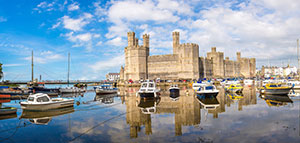
Sometimes, you can for family members who be stuck for ideas are visually impaired, while of where to go as a wheelchairs are available at family for a day out the attraction too. We have put together a list of easily- accessible attractions for families to visit in the UK. For chocolate lovers: Cadbury WorldIs there anything cooler than a day out at a real-life chocolate factory? You can find Cadbury World just a few short miles south of Birmingham city centre and then enjoy being taken ona self-guided exhibition tour which encompasses various interesting and exciting zones. Prepare to go on a thrilling adventure within the 4D chocolate adventure experience, learn how your favourite treats are made in the interactive manufacturing zone, step back in time to witness how the Cadbury brand came about at the Bull Street zone and much more. Of course, it’s also ‘essential’ to treat your sweet tooth when the tour ends. Call into the Cadbury World Café and make a purchase or two at the World’s Biggest Cadbury Shop.Accessible features at Cadbury WorldIf you’re disabled, you can receive a large print guide and concessions throughout the tour. There’s also touch and feel key props throughout the exhibition user and have a RADAR key, you can access a state-of- the-art Changing Places facility. This incorporates a height-adjustable sink unit, a height-adjustable changing bed, rails and support arms, an automatic toilet, a modesty screen and a ceiling screen. For those after a fun history lesson: Caernarfon CastleYou won’t mistake this World Heritage site as Wales’ Caernarfon Castle has an intimidating presence. Created by King Edward I on the banks of the River Seiont in the north-west of Wales, this castle still looks incredibly threatening centuries later. As well as imagining how history played out many years ago though, youngsters are also sure to want to check out Caernarfon Castle’s recently opened 3D attraction — a feature which grants them the opportunity to take control of menacing, fire-breathing, holographic dragons. The Royal Welch Fusiliers Museum is another must- visit part of the castle. Situated within two towers of the World Heritage Site, history fans will be able to take in how the Royal Welch Fusiliers Regiment won 14 Victoria Crosses during their courageous battles. A number of famous writers also served within the Royal Welch Fusiliers in World War One — including Robert Graves, David Jones, Frank Richards, Siegfried Sassoon and “Hedd Wyn” — and some of their most memorable words can be heard echoed throughout the museum. Accessible features at Caernarfon CastleYou may be under the impression that a Medieval times fortress wouldn’t be accessible for all the family. However, you’d be wrong when it comes to Caernarfon Castle. After getting input from a local access group, access to all of the castle’s inner wards are now granted via a purpose-built access ramp alongside two sets of steps. Wheelchair access is then accessible throughout the entire lower level of the World Heritage Site. For those wanting to connect with nature: Chester ZooYou won’t be stuck for things to do if you visit Chester Zoo. After all, the zoo is home to more than 21,000 of the world’s most endangered and exotic animals! Where will you set your sights on first? One of nature’s fiercest hunters, the Komodo dragon, can be found at the Dragons in Danger habitat, for instance, while a breeding herds of Asian elephants are among the animals who go about their daily lives at the Asian Forest habitat. Even when you venture away from the 15 animal habitats, you still have a lot of areas to explore. Those with a passion for plants will love Chester Zoo’s botanical gardens — all 125 acres of it spread across various themes — while the attraction’s nature reserve is ideal for getting close to local wildlife within a tranquil outdoor space.Accessible features at Chester ZooIf you are visiting Chester Zoo with assistance dogs, you’ll be pleased to hear that Registered Assistance Dogs are able to enter every section of the site, with a map available which details an assistance dog-friendly route.
Double Success for Group SRS at Care at Home & Housing Support Awards

Two outstanding people from Group SRS (Scottish Recruitment Solutions) have been shortlisted for a Care at Home & Housing Support Award from Scottish Care. Jill Summers and Gail Millar are finalists for the prestigious awards which recognises individuals and teams from around the country for delivering exceptional care. As the Head of Compliance and Business Development for Scottish Recruitment Solutions Training, Gail Millar has been shortlisted for the Training, Learning and Staff Development Award for her work developing a team of fully skilled trainers to deliver quality training for all employees at SRS Care Solutions. Gail’s team have also been integral in the opening of training suites in Glasgow, South Lanarkshire, the Borders and Aberdeen, making learning opportunities more accessible to employees in these areas. Jill Summers, who is a Service Manager at SRS Care Solutions’ Hawick office, is a finalist in the Management and Leadership category. In her time since joining Scottish Recruitment Solutions Care Solutions one year ago, Jill has grown her care team from eight carers delivering 150 hours of home care per week to 70 carers providing 2000 hours of care. A relatively young company, Group Scottish Recruitment Solutions was established in 2015 by Mark Richardson and Peter Lumsden who have a combined wealth of experience and knowledge of both the care and recruitment sector. Since then, the company has grown rapidly and has diversified in that time into complimenting business areas including SRS Care Solutions and SRS Training which fall under the Group SRS umbrella. Both new additions to Group SRS in the past year, Gail and Jill’s awards recognition has come as no surprise to the team. Mark Richardson is Owner and Operational Director of SRS. Having worked closely with Gail and Jill, he is delighted to see their hard work pay off, and so quickly. He said: “It is fantastic to see two members of our team at Group SRS recognised by Scottish Care for these prestigious awards, especially since we are a fairly new company in the care sector. Both Gail and Jill have delivered outstanding work since joining SRS. Since setting up our Hawick office, we have become the largest provider of care at home in the Borders and that is largely down to Jill. “Gail’s work in our SRS Training division has also been exceptional. Having only joined us in October 2018, Gail has worked with her team of trainers to develop interactive training sessions run in our new, more accessible training suites across Scotland which have made massive difference to our care employees. We wish them both luck for the awards next month.” Both finalists are equally proud to be shortlisted for a Care at Home and Housing Award. Jill said: “I love working as a service manager for SRS Care Solutions in the Hawick office, which is my home town, and working in the care sector – particularly home care. To be recognised by the care industry for doing what I love is amazing and I’m very proud to be a finalist.” Gail, who has worked in the care sector for 24 years, added: “I’m really honoured to be nominated and so pleased that people have thought this highly of me in such a short space of time, having only joined SRS Training last year. This nomination isn’t just for me. It’s for al the trainers and is testament to all they do.” The winners will be announced at a glittering ceremony at the Marriott Hotel in Glasgow on May 17, 2019. To find out more about SRS Care Solutions visit www.srscaresolutions.com and information on SRS Training visit www.srstraining.com
Care home residents sings for Parkinsons sufferers

A CARE home resident has rekindled her love of singing after joining a choir dedicated to raising awareness of Parkinsons disease. Barbara Millican thought she would never sing in a choir again after moving into Hazelgrove Court Care Home, in Saltburn-by-the-Sea, in October 2017. However, the home’s activities coordinator, Sharon Lewis, found the Tremeloes Parkinson’s Choir, which both she and Barbara have since joined. The choir, named after the tremors those with Parkinson’s experience, recently performed at Saltburn Community Centre as part of Parkinson’s Awareness Week. Barbara said: “I like being part of a choir, just like before I lived at Hazelgrove. It’s lovely to be able to perform again as well.” Sharon added: “It’s lovely to see Barbara doing something she loves so much. We discovered we both sang in the Gainford Choral Society, though at different times. “It’s great to have the love of singing in common and it’s now something we can do together as part of the Tremeloes.” Alongside the choral performance, the Parkinsons Awareness Week event at Saltburn Community Centre included a coffee morning and freely available information on the disease. Hazelgrove Court Care Home volunteer Jenny Hassett also dressed a doll in the Parkinsons colours and ran a guess the name of the doll competition. The competition helped towards a total of £376 raised on the day, which has been donated to Parkinson’s UK, to support those affected and help fund research. The choir has been touring the region, performing at Stokesley Garden Centre and Redcar Primary Care Hospital, among others. They are also planning on recording a song based on a poem written by another resident at Hazelgrove Court Care Home, Felicity Dobson. “Would you Understand” is about the non-discriminatory nature of Parkinsons and how it affects those from all backgrounds. Tina Temple, home manager at Hazelgrove Court Care Home, said: “We always take account of our residents’ hobbies and interests, so we can help them continue to take part and pursue the things they like while living here. “Being able to give Barbara Millican the opportunity to continue singing as part of a choir is hugely important for her own happiness and health. Every time she returns from a session or event she has a huge smile and is already looking forward to the next.” Hazelgrove Court Care Home is part of the Hill Care Group. For further information visit www.hillcare.net.
Accessibility Mark and RDA Work Together to Help Kitty Achieve Her Goals

12-year-old Kitty Scarboro has loved horses all her life, first sitting on a horse at six months old during an equine therapy session. Kitty, from Battle, East Sussex, was born with quadriplegic cerebral palsy, which means that it affects all the muscles in her body. A wheelchair user, she also struggles with talking, using her hands and arms and her legs are difficult to control. Four years ago Kitty asked her Dad, Simon, if she could learn to ride – not therapy riding, like she does in her equine therapy sessions but what she called ‘normal’ riding. She loved the idea of participating in a sport that didn’t involve her wheelchair. Having tried a number of different stables that didn’t quite fulfil Kitty’s needs she started riding at Grove Farm Riding School in Iden on the Kent/Sussex border. Grove Farm is an Accessibility Mark accredited centre so has undergone training with Riding for the Disabled Association (RDA). Said Kitty: “Grove Farm was the only stables that talked to me and actually asked me what I wanted to do, so it was definitely the place for me.” Kitty rides at Grove Farm once a week and has developed a great relationship with her instructor, Jess, and her helper, Georgia. Together the three of them have lots of fun. Georgia walks alongside Kitty to support her to keep the correct position. “When I am riding I feel like I am in control of everything – where I go and what the horse does. I love looking after animals and my favourite pony is called Jimmy. He is black and white with a little moustache and in the summer he gets itchy and they have to put sun cream on his nose! I love cuddling him, which he is very happy to let me do.” added Kitty. Once a week, Kitty also rides at Fairlight RDA in Hastings, which is closer to home, meaning that Kitty can ride during mid-week. Here she gets to participate in group lessons, which she loves. Kitty provides a great example of how RDA and Accessibility Mark work together to ensure the participant is gaining maximum benefit from their sessions as well as setting and working towards common goals. The RDA regional physiotherapist and regional coach, travelled to Fairlight RDA, along with Grove Farm coaches, Jess and Georgia,, to meet the Fairlight RDA coach. They worked together to assess Kitty riding and to ensure everyone is consistent in their coaching. To achieve her goal of riding off the lead rein, it is vital that the lesson planning at both Fairlight and Grove Farm are all geared towards the same aims with safety being paramount. Following this assessment, a report was produced detailing the best way for Kitty to mount and dismount. . A number of set objectives were also included to help her achieve a stable riding position, “The team at RDA talk to me and each other in order to work out what is best for me.I love riding at both centres, meeting new people and having fun outdoors.” said Kitty. Like her hero, Sophie Christiansen, Kitty hopes to one day compete in dressage at the Paralympics and having already competed at two competitions with more planned this year, we are sure she will do all she can to fulfil her ambition. Accessibility Mark status is awarded to a riding centre that has been approved by the RDA following training and assessment. The close link with the RDA means that it can offer continuous support to the establishment to ensure it provides a first-class experience that aims to be hugely beneficial to riders of varying levels of disability. There are currently 51 Accessibility Mark-approved centres across the country. To find your nearest RDA Group or Accessibility Mark centre visit www.rda.org.uk
Exciting and versatile new product launch from innovating mobility company Mountain Trike

The Mountain Trike Company produce and manufacture all terrain wheelchairs from their premises in Cheshire, in the UK. These all terrain wheelchairs enable those less able to enjoy the freedom and independence to get out and about to enjoy the outdoors. The current wheelchair product range includes three models – the self propelled Mountain Trike and MT Evo – using the unique lever drive system the rider can power the wheelchair whilst keeping their hands clean and dry. The MT Push is an attendant wheelchair where the steering and braking takes place by the riders buddy using the push handle located behind the rider. All these products come with high end components and a similar specification to that found on a mountain bike. All products are fitted with hydraulic brakes and air suspension so riders can travel over all terrains in comfort and safety. At Naidex 2019 the Mountain Trike Company launched a very exciting new product to the mobility market which compliments the existing range. The eTrike – an electric assist all terrain wheelchair. The eTrike has been designed for a wide range of users – those who would like some assistance to travel off road or active users who want to go further, faster or tackle more challenging terrain. The eTrike is unique to the electric wheelchair market and has the flexibility to be ridden in three different ways; Manually by pushing the drive levers allowing the rider to have clean dry hands; Power assist by twisting the throttle; Hybrid by pushing the drive levers and twisting the throttle simultaneously; This revolutionary all terrain electric power assist wheelchair can combine manual power and electric assist as and when you want which gives an excellent range. The distance range will depend on conditions, user weight, speed and terrain. Designer and Managing Director at the Mountain Trike Company, Tim Morgan, was keen to ensure that all products were modular to ensure customers get the best value for money and long term purchase. eTrike kits can be fitted to the Mountain Trike in the same way that the lever drive kit can be added to the MT Push. The full range of adaptations are highlighted on the website. The all terrain wheelchairs are very technical in design and the eTrike is no different, fitted with hydraulic brakes for excellent control and braking, air suspension providing a stable, smooth and comfortable ride over any terrain and direct steering means you can steer and drive with one or both arms. In addition the eTrike comes with a throttle twist grip or thump lever which can power the eTrike up to 8mph. The hub motor weighs 6kg and fits neatly under the seat of the eTrike and has 5 power settings (level 5 full power), a 12.8Ah, 36V Lithium Ion battery which comes with mains charger is easy to remove and recharge. The electric assist settings are displayed on a LCD screen and shows the speed, distance, average speed, max speed and power settings. Keen to limit the overall weight, the eTrike only weighs in at 25kg, which means it remains highly practical and folds to fit in the boot of most cars and is compact and manoeuvrable enough to go for a country ride and pop into the pub for lunch or head around town to the shops. Talking about the new product, Mountain Trike’s Managing Director, Tim Morgan, says, “I’m absolutely thrilled to be launching the eTrike – it really compliments our existing all terrain wheelchair range and will broaden our appeal in the mobility wheelchair sector. Throughout the design and product development process of all our products we have listened to customers and taken onboard their feedback. I have been working on the design for a good 18 months – a little longer than I envisaged it would take to get it to market. I initially had challenges sourcing the right parts and it was very important to ensure that this product passed all the testing and certification requirements, and in particular, it was user tested. I’m happy to say the prototype has had hundreds of miles clocked up by a customer and their feedback has been invaluable and extremely positive. The Mountain Trike Company is all about inclusive access – the new model will compliment our existing three models and enable more wheelchair users to enjoy the outdoors independently – those that would perhaps require a little more help! As with all our off-road wheelchairs quality, comfort and safety is at the forefront when I’m designing and again this has not been compromised. I’ve also been giving all our models a facelift, using new chassis parts and making the whole range modular and upgradeable. Another main aim as part of the eTrike development was to ensure that anyone who already has a Mountain Trike can benefit from the improvements and an electric power assist kit (eKit) is available which can be back-fitted to the Mountain Trike in the same way that the lever drive system can be added to the MT Push model. It is exciting times for myself and the team at Mountain Trike as we keep moving forward and innovating.” Stephen Hughes, long time Mountain Trike customer and advocate of their products has been clocking up hundreds of miles using a loan prototype for nearly 12 months – testing its durability, battery life and fed back to Tim along the way so tweaks and redesigns could be undertaken. Talking about the eTrike, Stephen says, “I have had my Mountain Trike for about 8 years and try to get out on it daily, so when Tim asked if I would be interested to test ride the eTrike I was more than happy to help. As soon as I could I was out on this new eTrike and it didn’t disappoint – what a game changer! Tim has managed to keep all the cross country ability and added power. What is genius is the flexibility to drive it –