For decades, accessibility in design was defined by compliance. Ramps, elevators, and wheelchair-accessible doors were an afterthought, items to check off a list to meet the regulations. But in the last few years, there has been a shift: inclusive design is no longer just about minimum standards. It is transforming into the expectation, a new design language that does not just focus on accessibility but goes deeper into creating a sense of belonging.
This transformation is seen in product design, architecture, and city planning. Cities are redesigning public spaces to welcome everyone, no matter what their ability. Technology companies are incorporating accessibility into mainstream products rather than as an afterthought. And in mobility, one of the most intimate areas of design, the change is particularly dramatic.
From Functionality to Empowerment
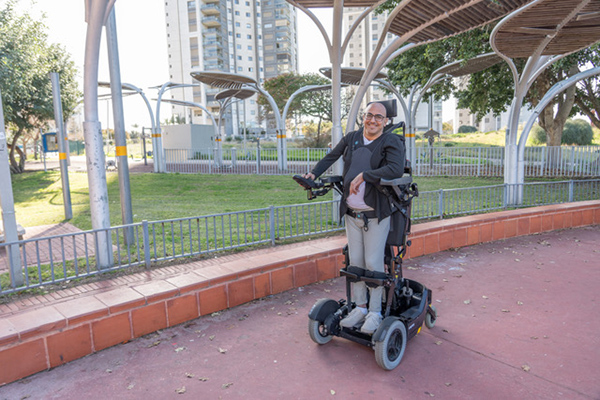
The traditional wheelchair has long been the symbol of accessibility. It provides function, yet all too often in the rigidity of sitting, looking up, and adapting to a world designed for standing. Emerging mobility solutions are shattering that paradigm. Robotic standing mobility solutions, for example, do not just transport a person from place to place. They restore the ability to stand upright and to interact at eye level – a basic human act with profound meaning.
Moving while standing is more than just physical health, though there are many benefits to it: improved circulation, reduced risk of pressure ulcers, improved bone density, and many others. Beyond physical health, standing provides dignity, confidence, and autonomy. Being able to shake hands eye-to-eye with another person, access something on a shelf, or navigate through a crowded space without feeling “lowered” changes the way a person experiences their day-to-day life.
The New Standard of Inclusive Design
Inclusive design is advancing mobility devices from their original purpose, which is compensating for limitations, to the potential of reclaiming natural human experience. It’s a part of an even larger design movement: realizing that accessibility needs to be a priority, not an add-on. A robotic standing mobility solution, for instance, is not a gadget; it represents the notion that everyone deserves access to the richness of the world.
What we are seeing today is a culture change that represents broader societal progress. Just as city planners no longer design public transportation without accessibility from the outset, mobility innovators are crafting products with freedom, dignity, and empowerment at their core.
Looking Ahead
The future of mobility technology holds even greater integration between the human body and assistive devices, devices that learn and adapt intuitively, allowing natural movement across varying terrains and surroundings. The technology demonstrates a world where mobility is not defined by limitations but by possibilities.
And that’s what inclusive design is all about: it does not merely remove barriers – it reimagines the way things can be when barriers were never part of the equation from the start.
Leading the charge in this societal shift, robotic standing mobility solutions offer not only mobility but a sense of purpose. They remind us that genuine inclusion is not about compliance, but instead about dignity, self-determination, and the power to flourish fully, on equal footing with the world.
Lea Waisman Shaler is the CEO of UPnRIDE, the maker of a unique self-balancing robotic mobility device that empowers natural and intuitive movement, enabling seamless transitions between standing, walking, and navigating any terrain. Lea is a mechanical and biomedical engineer with extensive experience in leading and managing all phases of startup development and operations, transforming innovative concepts into market-ready products.