National disability charity Sense, said:

James Watson-O’Neill, Chief Executive of the national disability charity Sense, said: “Today’s vote in Parliament is deeply distressing. By choosing to advance this bill, MPs have voted for measures the government’s data say will push 150,000 disabled people into poverty. This is not the right way to reform our welfare system — it’s a move that has already caused significant fear and anxiety within the disabled people’s community. “We’re incredibly grateful to all those who spoke out against the bill. Their efforts helped secure important government concessions, which mean some disabled people will retain the support they rely on. However, this creates a deeply unfair two-tier system — protecting some while leaving new claimants facing serious financial hardship. And the government’s latest concession, to delay the tightening of the criteria for PIP, doesn’t change the fact that it will eventually become harder for new claimants to access this vital benefit. “Looking ahead, we urge the government to immediately reconsider their proposal to remove the health element of Universal Credit from young people until they turn 22. We also want to work constructively with them to expand the eligibility criteria for additional support for those who will never be able to work, to ensure no one is left behind.” https://www.sense.org.uk/
Support for disabled drivers with exclusive car-selling offer

Carwow is proud to announce a new partnership with Purpl, the membership scheme supporting disabled drivers with exclusive discounts and deals. As part of this partnership, Purpl members will receive £115 in Amazon vouchers when they sell their car through Carwow’s ‘Sell My Car’ service. In the UK, there are 16.1 million disabled people, and living with a disability costs around £1,010 extra each month on average. In 2023, 60% of disabled adults aged 17 or over held a full driving licence – a clear sign that accessible, fair options for selling and replacing vehicles are vital. Carwow has helped drivers sell more than 230,000 vehicles directly to car dealers on its ‘Sell My Car’ service . On average, sellers achieve £1,000 more compared to part exchange valuations, highlighting the value and efficiency of the platform. The selling process through Carwow has been designed for ease and transparency. Customers simply provide a few details to receive instant, free car valuations with no hidden fees. A nationwide network of more than 5,500 dealers then compete in online auctions to offer the best price. Once a deal is agreed, the winning dealer arranges free vehicle collection at the seller’s convenience and issues payment directly to their bank account. With this new partnership, Purpl members will benefit from a free and fast car selling process, a great price for their old car, as well as a £115 Amazon voucher to spend however they choose. Sally Foote, Chief Commercial Officer at Carwow said: “We’re really pleased to be working with Purpl, delivering extra value to disabled drivers looking to change their cars. Selling a car should be simple and stress-free. We understand the independence that driving can bring and we’re glad to give Purple members an additional boost to their everyday budgets.” Georgina Colman, Founder of Purpl said: “I’m so proud that we’ve been able to partner with Carwow to bring this exclusive deal to the disabled community. When I was diagnosed with multiple sclerosis, I had to adjust to a new lifestyle, and driving was vital to my independence. I know firsthand that mobility needs can change in an instant, and not all disabled people are eligible for Motability, so it’s important to be able to buy or sell cars as needed. This offer not only helps our members get the best price for their car, but also puts an extra £115 in their pocket – a small but hopefully meaningful contribution towards the higher cost of living that disabled people face every day.” To learn more, please visit the Carwow and Purpl websites.
Chief Executive of the national disability charity Sense, said:
James Watson-O’Neill, Chief Executive of the national disability charity Sense, said: “The concessions announced by the government on the upcoming welfare bill are significant and positive, yet fall short of a fair deal for disabled people. “It’s a relief that many disabled people won’t lose their benefits who previously feared they would. In particular we’re happy to see the government reverse its decision to cut Universal Credit in real terms for disabled people assessed as having the greatest barriers to work. This decision is testament to the power of people speaking out against these unfair cuts, and we’re so grateful to all our supporters who took the time to contact their MP on this issue. “However, the government’s proposals create a deeply unfair two-tier system where two disabled people with the same needs would get different benefits depending on when they started needing benefits. This is not right. We’ve also heard from parents of young disabled people with complex needs who are still deeply anxious about what this will mean for their children’s future. “Disabled people should be included fully and from the start in any efforts to reform the welfare system, and we’d like to work with the government on this. However, given the significant issues with the current bill, we urge MPs to listen to the voices of disabled people and vote against it on Tuesday.” https://www.sense.org.uk/
Support dog Alfred’s a Great help for arthritis patient Leah
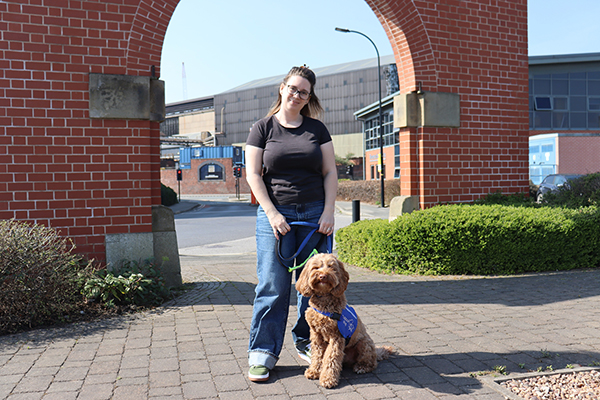
Leah Marshall was just 13 when she became unwell from arthritis and got her support dog. While most teenagers were enjoying fun activities like shopping and cinema trips, Leah was often sleeping. Not only was she battling the painful condition, which causes stiffness in joints, she also had chronic fatigue. Now aged 37 and on five different types of medication, her illness has impacted her everyday life. That’s where her support dog, Alfred, comes in. Leah and her loveable Australian Labradoodle have just graduated as a Support Dogs partnership.The four-year-old support dog has been trained by the national charity to pick up items Leah drops, load and unload the washing machine, fill a basket with clothes, pass clothes for Leah to put on the washing line and to help her to get undressed. He can also find Leah’s mobile phone and keys, fetch help, empty shopping bags, take groceries from supermarket shelves, fill up shopping baskets and pass items to Leah at waist level. “I’m always in pain, so for Alfred to be able to pick things up for me, it’s an instant relief,” said Leah, who lives in Christchurch, near Bournemouth. “Because of the arthritis, I struggle with exercise. I do exercise but the exercise I’ve done over the last 20 years has been limited, so I’ve not got my core strength like I used to, and I struggle with my back. “My arthritis can be different from one day to the next – one day Alfred can help me take my socks off, if my back is really bad, or if my hands or ankles are really sore. “Just being able to pick stuff up off the floor for me, where I would normally struggle, and having Alfred trained is one of the best decisions I’ve ever made.” And Alfred has helped to take some of the strain from Leah’s husband, Rob, helping her to take her socks, jacket or shoes off, picking things up and helping with the laundry. As a youngster, it was difficult for Leah to understand what was wrong, as medics initially assumed it was just growing pains. As she left school for college, she couldn’t get out of bed due to the pain, but with sheer determination, she got to class. Leah was eventually diagnosed at 17 and she was prescribed medication, but the pain wouldn’t shift. “I couldn’t even stand on my own two feet without being in horrific pain,” said Leah. “I didn’t have the typical teenage years of spending time with friends and socialising, that was harder than anything else. I spent most of those years at home sleeping because of the level of pain.”Aged 19, she started her job at Dulux Decorator Centre, where she still works as a cluster manager. But she needed to sleep in her lunch breaks as she was so exhausted, and she struggled to walk and stand for long periods of time. But as her condition prevailed and it impacted her mental health, she looked up Support Dogs. Leah assumed the charity only helped wheelchair users, and later got Alfred as a pet dog. When she discovered Support Dogs’ help extended beyond wheelchair users, she applied for training. Fast forward two years and the pair are thriving together. Support Dogs trains and provides assistance dogs to help people with a range of debilitating conditions, including autism in children, and epilepsy or physical disability in adults. To find out more about the charity’s incredible work, please visit www.supportdogs.org.uk or call 0114 2617800.
National award goes to Northampton teacher
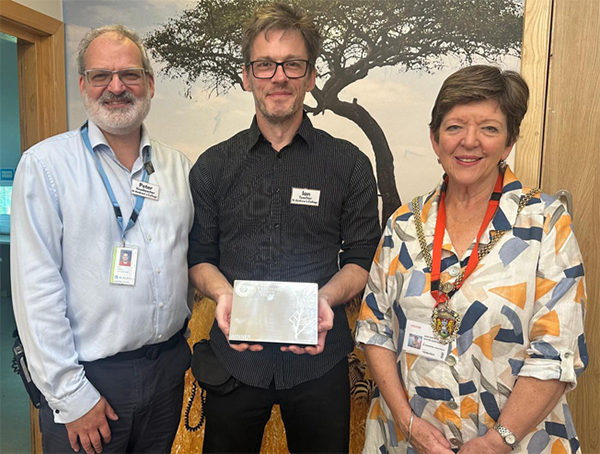
National award goes to Northampton teacher for inspiring children with severe mental conditions A special education needs (SEN) teacher who has dedicated his entire career to helping inspire young people with severe mental health conditions has won a national teaching award. Ian Bradley has worked at the Children and Adolescent Mental Health Service (CAMHS) College based at St Andrew’s Healthcare for 18 years. Chosen from thousands of nominees, Ian has been named a silver winner at the Pearson National Teaching Awards, within the Special Educational Needs and Disabilities (SEND) and Inclusive Practice category. Now, the 53-year-old will go through to the next stage where he is in with the chance of winning the prestigious Gold Award. The winner will be announced at an awards ceremony in London and on BBC One’s The One Show later this year. Ian was recognised for introducing the young patients at St Andrew’s to many outdoor activities, such as climbing, horse riding, mountain walking and camping, which they may not have had access to at mainstream schools or hospitals. St Andrew’s CAMHS College Headteacher Peter Rainford said: “Many of our students are grappling with complex mental health conditions such as post-traumatic stress disorder (PTSD) or attachment disorder, additionally many of them will have a history of suicide, extreme self-harm and trauma. They will all have struggled in mainstream school, and by the time they come to us, they are done with being educated. “But Ian doesn’t just create an inclusive and hopeful classroom—he creates a space that transforms lives. His maths lessons are built on therapeutic trust, high expectations, and joyful discovery. “Beyond the classroom, Ian champions learning through experience. Whether it’s an expedition, a climbing session, or a Duke of Edinburgh’s Award challenge, he uses these as stepping stones for personal growth. These activities help students develop resilience, self-belief, and life skills that reach far beyond their time at the College. For these young people, Ian gives them the same chances as others their age.” Ian is one of 94 teachers, lecturers, leaders, support staff and institutions recognised as a silver winner in this year’s National award for the lasting impact they have on shaping the lives of young people. The announcement follows tributes from celebrities, students and schools across the UK as they say thank you to all those who work in education to mark National Thank a Teacher Day. On receiving the award, Ian said: “I am extremely honoured and humbled to receive this silver prize. I’m proud of the work I’ve done and the students tell me I’ve made a difference to their lives, which is enough of a reward for me. It’s a privilege working with the young people in our care and hopefully we’ll have more adventures in the future.” Celebrating the whole education community, National Thank a Teacher Day and the Pearson National Teaching Awards are run by the Teaching Awards Trust, an independent charity established more than 25 years ago to celebrate the transformative impact of education, shining a spotlight on the pivotal roles teachers, support staff, colleges, schools and early years educators play in inspiring young people, every single day. Sir Michael Morpurgo, author, former Children’s Laureate, and President of the Teaching Awards Trust, said: “The dedication and impact of those involved in educating young people is truly remarkable. Their influence extends well beyond the classroom – offering encouragement, inspiration, and unwavering support that can shape lives for years to come. That’s why National Thank a Teacher Day is an important opportunity to pause and celebrate all that they do. “I’m also delighted to be able to congratulate this year’s Silver Award winners. Your passion and commitment to shaping the next generation is extraordinary. Thank you for the difference you make every single day.” Sharon Hague, CEO of Pearson UK, said: “Every day, educators across the UK go above and beyond to inspire, support, and shape the future generation. Today, we proudly recognise those making an extraordinary impact. Our Silver Award winners represent the very best of the profession, and we’re thrilled to celebrate their dedication and achievements. Congratulations to all of this year’s Silver winners!” Education Secretary, Bridget Phillipson, said “On Thank a Teacher Day, I want to celebrate the remarkable professionals who are the backbone of our education system. Brilliant teachers make the single biggest difference to a child’s education. “I’ve experienced first-hand how a great teacher can make all the difference. Teachers don’t just deliver lessons – they transform lives, inspire curiosity, and build the confidence our children need to succeed. For this incredible commitment to our nation’s future, we owe our teachers our deepest gratitude.” https://www.stah.org
Tom Marsland, at Sense, said:
Sense said : “The lack of focus on social care in the spending review will come as a huge disappointment to the 1.6 million disabled people with complex needs across the country and their families. “The social care system should be a lifeline for disabled people. It should be working alongside the NHS to deliver vital services. But for years it has been underfunded, left to lag behind until now it is utterly broken. “Sense has welcomed and will work with the Casey Commission as it makes recommendations to transform social care in the long term. But there will be no big changes until at least 2028. “Social care is in crisis – disabled people can’t wait that long for change. Urgent investment in social care is needed now. https://www.sense.org.uk/
Designing Inclusive Soundscapes for deafblind

Unlocking the Power of Outdoor Musical Play for the Visually and Hearing Impaired To mark Deafblind Awareness Week starting on the 23rd June, Percussion Play is highlighting how outdoor music therapy can benefit those who are Deafblind. Deafblindness is a combined impairment of sight and hearing that affects over 450,000 people in the UK. While it doesn’t always mean a complete loss of vision or hearing, it can in some cases. The impact of deafblindness varies widely from person to person, for some, it may require only minor adjustments to daily routines. In contrast, others may depend on support from others for communication and mobility. Percussion Play, the world’s leading designer and manufacturer of outdoor musical instruments, has long been advocating the benefits deafblind individuals can receive through music therapy, supporting clients create outdoor music gardens to be used as therapy for those with sensory impairments. One such client is a School in Western Pennsylvania who is using outdoor music therapy to enhance the lives of its students- all through sound and vibration. The Western Pennsylvania School for Blind Children, which has over 190 students, an adult day program for graduates of the school, as well as a child care center for the employees of the school, has created outdoor music areas for everyone to enjoy with Percussion Play instruments, A generous donor, Ray Wojszynski, funds a program named the Creative Arts Series, where performers visit the school and introduce music and the arts to students. Mr. Wojszynski has donated a range of outdoor musical instruments to give current and future students something tangible, lasting, and permanent to enjoy. The instruments chosen by the school and Sue Wiedder, Director of Development and Communications, include the Harmony Flowers, the Sunflower Petal Drum, and the Tubular Bells, which are a firm favorite. All the instruments are perfect for the students who use wheelchairs (75% of students use one for mobility) based on the varying heights of all the selected instruments. Sue Wiedder comments on how they chose the instruments; “The students that attend our school are visually impaired or blind with additional medial complexities and physical and cognitive disabilities. Some of the children have residual vision, but all are legally blind. In addition, we do have students that are non-verbal and rely on adaptive communication devices to express their thoughts and feelings. Therefore, we had to take our time deciding which instruments would be best for our special population of students. We originally had some items chosen, but when I talked to Robin, the Co-Founder of Percussion Play, he told me about the Tubular Bells and a story of how a student who was deaf and blind enjoyed ringing the bells because they could feel the vibrations of the chimes.” The school has 5.5 acres of land within an urban city and decided to create multiple areas for the students to play with the instruments. All of the instruments were installed by the school’s buildings and grounds staff after the lockdowns due to COVID were finished. Sue Wiedder says, “Each student has a whole educational team including a teacher of the visually impaired, speech and language pathologist, physical and occupational therapists, orientation and mobility specialists, a school psychologist and case managers. All of the teachers can see how much they have enhanced our students’ lives.” Kelly Welsh, Certified Teacher of the Visually Impaired (TVI) at the school, says about one of her students; “Isaiah is primarily a tactile learner meaning he accesses his environment and surroundings by touch. He does have some light perception in one eye, hence him soaking up the sun in one of the pictures. Due to his profound hearing and visual loss, he needs to use his other senses such as touch and smell, to better understand what is going on around him. Within the classroom, he uses sign language for core vocabulary words such as eat, drink, go, more, finished. He uses tactile symbols and physical prompts to help him throughout his school day. As for the Tubular Bells, Isaiah is probably feeling the movement of the bells as they are played as well as the vibrations that come from striking the bells. Isaiah loves movement and gross motor activities so it’s not a surprise that he enjoyed the bells as much as he did.” Sue Wiedder concludes; “I can’t say enough positive things about the installations. It’s such a great asset for our school, especially for the population of students that we have. The big thing is accessibility. But when you see a student with the mallets in their hands and they’re banging on the Tubular Bells, seeing the smiles on their faces and their reaction, that makes it all worth it – music is amazing. All I heard was such calming and pleasant sounds.” Jody Ashfield, CEO of Percussion Play comments; “Ultimately, we support the campaign for systemic changes in musical instrument design, public space accessibility, educational practices, and mental health support to enable people who are deafblind to reap the benefits of creating music in the great outdoors. By rethinking how we structure musical play environments, especially outdoors, we can better serve blind and hearing-impaired individuals, tapping into their potential and improving their quality of life through equitable access to music and play.” Percussion Play has seen growing global demand for its inclusive outdoor instruments, which are found in schools, community centres, places of worship, libraries, hospitals, and senior living communities. Designed to bring people together through the universal language of music, these instruments promote curiosity, creativity, and collaboration across all age groups. https://mail.webfx.co/t/i-l-fklkyht-tjsjlkkky-s
New Inclusive Fitness Programme
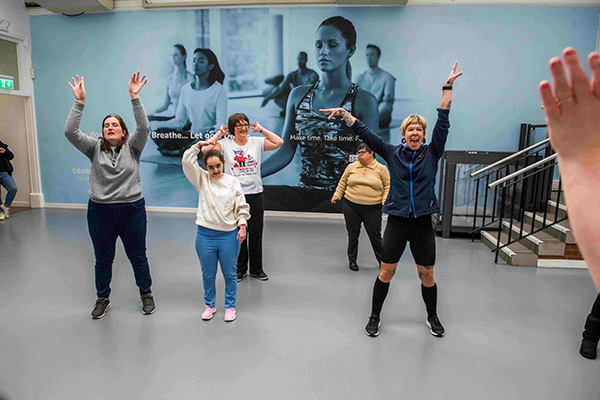
Edinburgh Leisure Launches New Inclusive Fitness Programme for Adults with Additional Support Needs Edinburgh Leisure has expanded its commitment to inclusive fitness by launching a comprehensive new programme of gym sessions and exercise classes specifically designed for adults with additional support needs. The new “Fit and Active” initiative offers a diverse range of weekly activities across two venues, with all sessions free to attend for cardholders. Classes include seated strength training, danceability sessions, gymability workouts, inclusive circuits, retro dance, and seated cardio options. “We’re delighted to introduce these new classes that provide accessible fitness opportunities for adults with additional support needs,” said Sara Kemp, Community Development Officer (Equalities) at Edinburgh Leisure. “Our goal is to ensure everyone in our community has the chance to stay active and healthy in a supportive, welcoming environment.” The programme runs throughout the week at both Meadowbank Sport Centre and Leith Victoria Swim Centre, with sessions carefully scheduled to provide regular opportunities for participants. Activities range from traditional gym-based workouts to creative movement classes like danceability and retro dance. Weekly Schedule: All sessions are included free of charge with a Fit and Active card. Interested participants can apply for their card by emailing fitandactive@edinburghleisure.co.uk. The programme represents Edinburgh Leisure’s ongoing commitment to providing inclusive recreational opportunities for all members of the Edinburgh community, ensuring that fitness and wellbeing services are accessible to people of all abilities. For more information about the Fit and Active programme or to apply for a membership card, contact Edinburgh Leisure at fitandactive@edinburghleisure.co.uk.
Mobility in Motion Launches New EV Accessibility Product
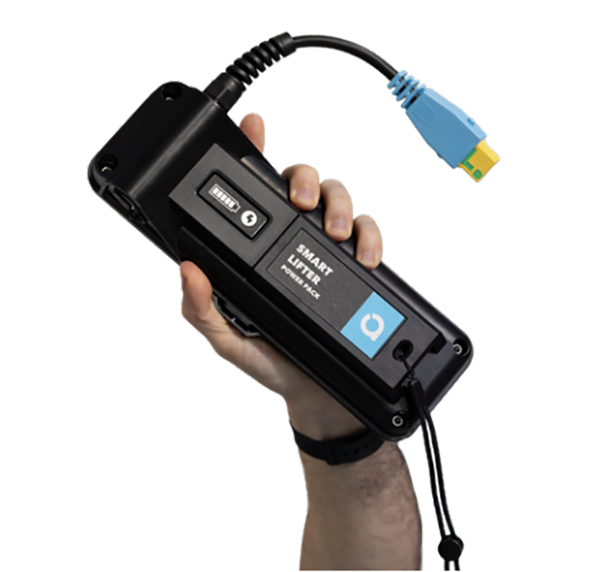
Mobility in Motion, winner of the Disability Smart Customer Experience Award (Small Org) at the Business Disability Forum Awards, is proud to unveil a new innovative mobility device loading solution designed with disabled electric vehicle (EV) users in mind. With an estimated 1.35 million disabled people in the UK relying on public charging for their EVs or hybrids, and a 28% increase in trips made by disabled adult drivers since 2021(1), demand for accessible, EV-compatible mobility solutions is higher than ever. While not an EV charging product, Mobility in Motion’s latest innovation responds to a different but equally critical accessibility challenge; enabling disabled drivers to easily load and stow mobility devices (such as wheelchairs), using a powered hoist that is specifically designed to be compatible with EVs. Smart Lifter Power Pack: Video After speaking with customers and understanding their specific needs, Mobility in Motion created the Smart Lifter Power Pack – a game-changing battery pack upgrade for the Smart Lifter range of boot hoists, enabling: Industry Recognition for Innovation and Inclusivity Mobility in Motion was recognised at the Disability Smart Awards 2025 for its commitment to truly inclusive customer service and for breaking down barriers faced by disabled people. This recognition reflects the company’s broader approach to accessibility, demonstrated by innovative products, such as the Smart Lifter Power Pack. The Business Disability Forum judging panel commended Mobility in Motion on their Customer Experience Award win, saying: “Their commitment to making car travel accessible is clear. The positive impact on customers is evident through the enthusiastic reviews. Independent travel is life-changing, and Mobility in Motion is making that a reality for many.” Driving Change “We’re thrilled to not only receive recognition for our efforts but to continue driving change among the disabled driving community with the launch of this innovative product,” said Bruce Lauder, Head of Sales & Marketing at Mobility in Motion. “Solutions like our latest Power Pack are purpose-built for modern electric vehicles – combining responsive performance, clean design, and accessibility to support the EV transition for all drivers.”